Engineering for health
Pioneering innovation at the intersection of engineering, biology, and medicine. We unite expertise in therapeutics manufacturing and clinical insight to tackle urgent healthcare challenges. We deliver scalable, sustainable, and equitable solutions to enhance safety and shape health policy.

Our research expertise
- Biologics and advanced therapy medicinal product (ATMP) development and manufacturing
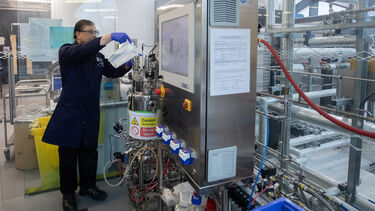
We combine experimental and modelling techniques to innovate the development and manufacturing of novel vaccines and therapeutics. Our capabilities include state-of-the-art infrastructure and bioprocess engineering capabilities for:
- Protein based vaccine and therapeutics including virus-like particles and monoclonal antibodies
- mRNA vaccines and therapeutics
- Cell and gene therapies.
For each of these modalities, we innovate upstream, downstream and formulation processes through a range of advanced technological approaches:
- Protein engineering to design new therapeutics and improve their effectiveness and stability
- Cell and DNA engineering to enhance in vitro production and in vivo performance of biologics and ATMPs.
- Process development, process intensification, continuous manufacturing and scale-up
- Quality by design framework to design manufacturing processes that yield safe and effective products
- Techno-economic modelling to assess manufacturing costs and increase productivity of these novel biotherapies.
- Computational modelling guides the development of these novel bioprocesses. We also deploy the models as soft sensors for process monitoring and as digital twins for advanced process control. The computational modelling work is supported by the Modelling Theme (link here).
Building on this foundation, we extend our impact globally through leadership of the UK–South East Asia Vaccine Manufacturing Research Hub. This initiative drives knowledge exchange and innovation across regions, strengthening healthcare systems and enhancing resilience against future health threats.
Key academic staff:
- Engineering biology
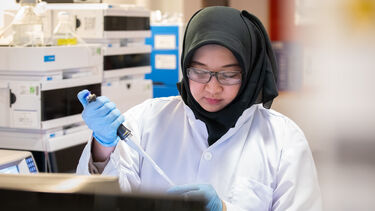
We apply principles of engineering to redesign living systems to address healthcare needs and challenges. This includes:
- Plug-and-play molecular toolkit for rapid virus-like particle based vaccine design and development
- Novel methods and tools including adaptive laboratory evolution methods are developed and used to elevate the performance of manufacturing host to production needs.
- Engineered manufacturing hosts including bacteria, yeast, fungi and mammalian cells for high performance and scalable production of small molecule and protein therapeutics
- Engineered biocomponents, including DNA, mRNA and protein parts that are used in therapeutics design and manufacturing
- High-performance rotating spiral bioreactors for scalable biomanufacturing of small molecules and proteins.
Key academic staff:
- Engineering for nutrition and health
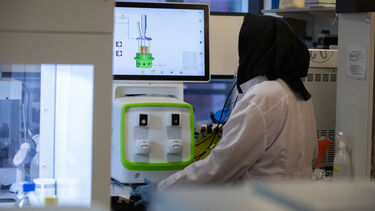
We work at the intersection of engineering and biological sciences to address global challenges in food security and nutrition. Our mission is to promote equitable access to nutritious diets and support the development of a healthier nation. Our research spans:
- Alternative proteins to ensure sustainable and healthy nutrition for all
- Precision fermentation for innovative food solutions
- Protein extraction and characterisation from diverse biomass sources.
Key academic staff:
- Medical materials and devices
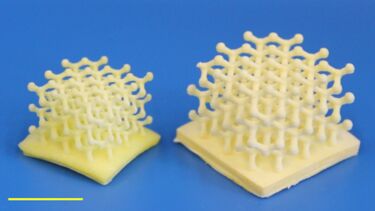
Our research is dedicated to advancing the field of medical materials and devices through the development of innovative, functional biomaterials tailored for clinical applications. We focus on creating and characterising materials that support tissue integration, enable controlled biological responses, and can be manufactured with precision and scalability.
Key areas of our research include:
- Materials manufacturing & polymers: We design and synthesise medical-grade polymers with tunable properties, including degradability, mechanical strength, and bioactivity. These materials are optimised for applications such as implants, drug delivery systems, and regenerative scaffolds.
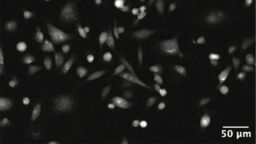
- Cell integration & characterisation: Understanding how cells interact with material surfaces is central to our work. We study cell adhesion, proliferation, and differentiation in response to material chemistry and structure to guide the development of bioresponsive materials.
- Biological testing: All materials undergo comprehensive in vitro and in vivo testing to evaluate their biocompatibility, immune response, and functional performance in relevant biological environments.
- Biosensing devices: We develop smart materials and integrated systems capable of detecting disease biomarkers or metabolites in real time, enabling early diagnosis, monitoring, and responsive therapeutic delivery.
- 3D printing & additive manufacturing: We employ advanced additive manufacturing techniques to fabricate complex, patient-specific devices and structures. This includes the integration of bioactive materials and live cells to produce next-generation biomedical constructs.
Our interdisciplinary approach combines expertise in materials science, bioengineering, and biomedical testing to create solutions that improve patient outcomes. By integrating novel fabrication methods with biological functionality, we aim to develop smarter, safer, and more effective medical devices for the future of healthcare.
Key academic staff:
- Natural and sustainable biological materials
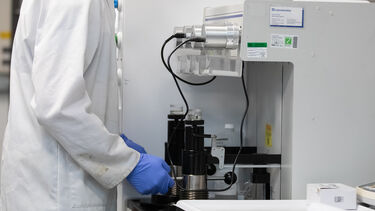
We focus on natural and sustainable materials derived either directly from nature—such as silk, alginate, and chitosan—or produced through bacterial and algal fermentation, including polyhydroxyalkanoates (PHAs), bacterial cellulose (BC), and gamma-polyglutamic acid (g-PGA). Our work spans the full value chain: understanding their intrinsic properties, optimising their production, tailoring their functionalities, and developing processing strategies for diverse end-use applications.
PHAs, for instance, are biodegradable in both soil and marine environments, making them attractive as green polymers for applications such as coatings and packaging. Their excellent biocompatibility also positions them as promising sustainable materials for biomedical uses. Similar opportunities exist for other natural polymers—such as silk, BC, g-PGA, alginate, and chitosan—where we explore pathways to translate their unique properties into practical, sustainable products.
Key academic staff:
- In vitro models
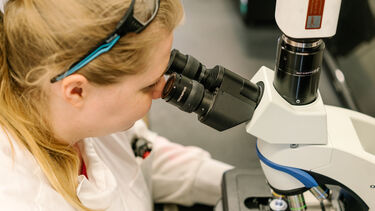
We create sophisticated cell and tissue platforms to study health challenges. These platforms serve as alternatives to animal testing while enabling insights into disease mechanisms, evaluation of novel therapeutic technologies and the study of antimicrobials. Models developed include:
- Advanced 3D cell‑culture systems including organ‑on‑a‑chip microfluidic devices and scaffold‑based tissue models. These models more accurately reflect human pharmacokinetics and toxicology than traditional 2D cultures or animal models.
- Antimicrobial‑testing platforms, including in vitro and ex vivo infection models are being developed to study the toxicology and efficacy of antimicrobials against bacterial pathogens and biofilms. These systems bridge the gap between simplistic cultures and animal experiments, offering controlled, translatable results.
- Cell & tissue models including models of soft and hard tissues for health and disease are developed and applied in house.
Our in vitro and in silico models offer a portfolio of platforms to improve the speed, accuracy, and human relevance of preclinical studies. By integrating novel materials and dynamic culture systems, we deliver ethical, scalable alternatives to animal models and powerful tools for drug development, antimicrobial testing, and tissue regeneration.
Key academic staff:
- Characterising and understanding materials for health
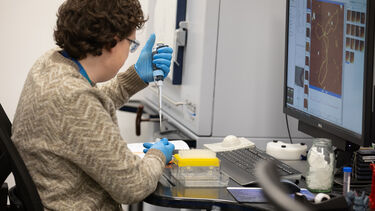
Our research focuses on the development of advanced imaging and mechanical characterisation techniques to evaluate biological compounds and medical materials. By enhancing the resolution and utility of analytical instrumentation, we provide the fundamental data necessary to validate new therapeutics and biomaterials.
Key areas of research include:
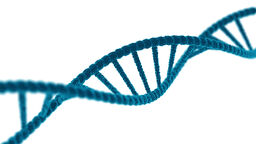
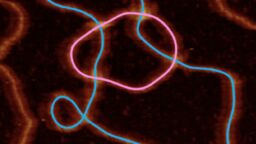
- Molecular scale imaging: We develop high-resolution atomic force microscopy (AFM) to image the DNA double helix on single molecules. This capability is applied to the structural analysis of new RNA therapies and the study of DNA-ligand interactions.
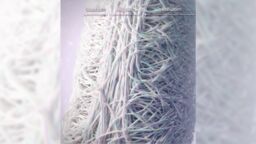
- Electron microscopy development: We design novel scanning electron microscopy (SEM) protocols to characterise the surface and bulk properties of surgical meshes, natural tissues, and synthetic biomaterials.
- Thermomechanical testing of biomaterials: We specialise in the characterisation of difficult to handle biological tissues in their natural context using techniques such as rheology (shear, extensional), uniaxial testing (tension, compression and dynamic), nanoindentation, nanomechanical mapping using AFM, and thermal analysis (DSC, TGA)
By integrating precise visualisation with standardised mechanical testing, we provide a rigorous analytical framework for the development of medical devices and therapeutic delivery systems.
Key academic staff:
Research centres and institutes
Sheffield's cross-faculty research centres harness the University's wealth of interdisciplinary expertise and research excellence to solve the world's most pressing challenges. Our researchers are aligned with the following:
Impact
Our researchers are making life-changing discoveries, developing new innovations and technologies and solving the world’s complex challenges. Working collaboratively with partners locally and globally, we are working at the frontiers of knowledge on research with real impact.

| Sheffield’s innovative research, integrating tissue culture techniques with ocular surgery, has led to a new treatment for blindness, caused by ocular burns, called Simple Limbal Epithelial Transplant (SLET). |
Stress urinary incontinence affects up to one in three women worldwide, but the most commonly used treatment has led to serious problems for many patients. Researchers at Sheffield have created a new medical device that could be a safer option, offering hope to those living with the condition. | 
|

| Thermo Fisher has a long-standing collaboration with Professor Mark J. Dickman from the School of Chemical, Materials and Biological Engineering, where his lab is pioneering automated, high-resolution LC–MS/MS workflows for RNA sequence mapping. |
Dr Nicholas T H Farr has provided written evidence used in a new report focussing on the health impacts of breast implants and other cosmetic procedures. | 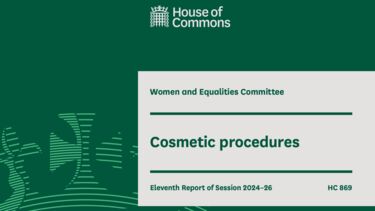
|