
How to search for wider reading
When you need to find information sources beyond what’s on your reading lists, you can use StarPlus, Google Scholar, and academic databases. You will also use tools for maps, legal, technical, statistical, and government information. Generative AI tools can also be used to find scholarly sources.
Getting started searching for academic information
Using StarPlus
StarPlus is a great tool to use for an initial search for information on a topic you are researching. Jump to 03:03 in the video below to see how or watch the whole video if you are new to StarPlus.
Access StarPlus via the My services menu from any university webpage.
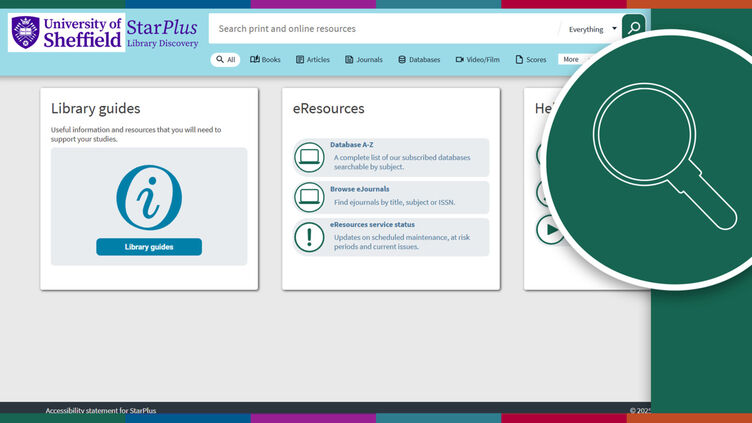
Watch Using StarPlus: finding resources for your course and research on Kaltura
Google Scholar
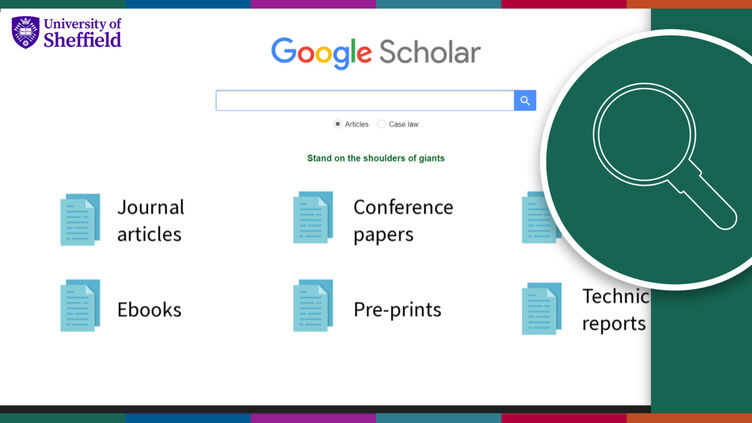
Google Scholar is a search engine tailored for discovering academic materials. It covers all subjects and disciplines and it can complement your literature search as it retrieves academic materials from a diverse set of sources. However, exactly what is included is not publicly available. For this reason we’d only recommend it as a starting point in your research.
Google Scholar has recently implemented Scholar Labs, an AI-powered search feature. This AI tool is experimental and it can make mistakes so you need to exercise caution when using it.
Undertaking a thorough search for information
When you need to undertake independent research on a topic, it is essential that you use specialist search tools such as academic databases.
Academic databases index a wide selection of scholarly sources such as journal articles, conference papers, book chapters and more. The Database A-Z lists all the Library subscribed databases and other recommended online free discovery tools.
Databases provide advanced search functionality and filters which enable thorough and precise searching of academic content. This is likely to give you a more relevant and manageable set of results than StarPlus.
Learn how to use the Databases A-Z to access databases and other recommended information discovery tools with this video.
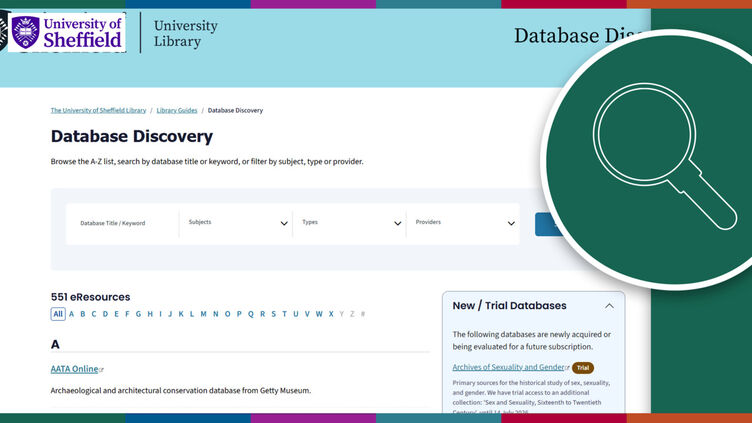
Watch Accessing databases and information discovery tools on Kaltura
Using academic databases and developing your search strategy workshop
In this workshop you will learn how to use Scopus, an academic database covering all subjects, after considering your information needs and developing a search strategy for them.
Book a place on the Using academic databases and developing your search strategy workshop/webinar
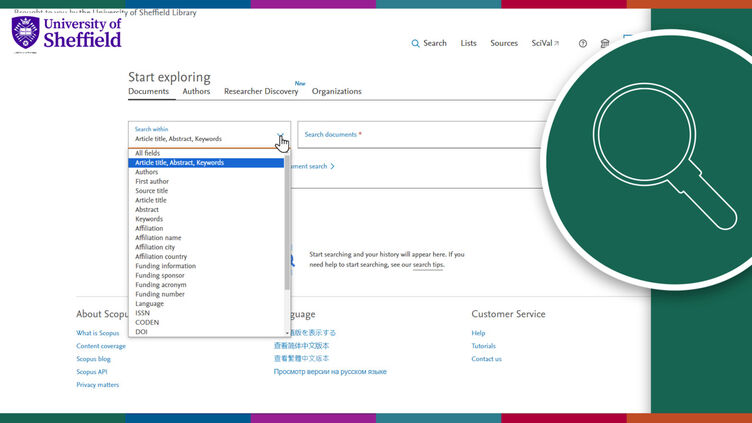
Using Scopus
Get started with Scopus with this introductory video guide.
Using Dimensions
Dimensions is a multidisciplinary database that can be used to find journal articles, clinical trials, patents, and policy documents. It covers a wide range of disciplines.
It has several AI features that can help you search, summarise, and group your results by themes.
Get started with using Dimensions with this introductory tutorial.
Subject-specific databases
Some databases are specific to particular academic disciplines. Find the list of recommended subject-specific academic databases in the Library Guide for your subject.
Visit the Library Guide for your Subject
Database guides
Get support for starting with some of the most useful databases with these introductory guides.
Finding information for a literature review
A literature review aims to give an overview of the current scholarly understanding of a particular topic, including any competing theories or perspectives.
The second stage of a literature review is about finding the most relevant information for your topic. By working through the second stage of this online tutorial you will learn how to find it.
Start the online tutorial Finding information for a literature review
Dissertations support
This guide brings together a range of useful information and resources to support your dissertation, extended project, or final year project, and develop your research skills and digital capabilities.
In this webinar you will learn:
- How to plan your dissertation
- How to search for and question information
- How to discover and use images and infographics
- Referencing tips and tricks
Book a place on the Research skills for dissertations: the essentials webinar
Using AI and GenAI for information searching
Many academic databases are starting to add AI and GenAI powered features. These can be useful and enhance your information search, but they can have serious limitations. It is important to be critical of the outputs you get from these features.
Always check your School’s guidance and the specific module assessment criteria for the use of AI and Generative AI. If you are unsure, contact your School or tutor for clarification.
Access the online tutorial or attend the workshop below to explore using AI and GenAI to find information. The tutorial and workshop cover:
- The current capabilities and limitations of Generative AI chatbots for finding information.
- How to use Google Gemini to enhance and troubleshoot a search strategy.
- Currently available AI-powered functionality in academic databases.
- The current capabilities and limitations of AI and GenAI assisted scholarly search tools.
- The value of established approaches to finding information and how to access further support on how to use them.
Start the online tutorial - Using AI and GenAI to find information
Book a place - Using AI and GenAI critically: finding sources for your assignments workshop
Searching for specialist information sources
Statistical information
During your studies you may need to access statistical information. The resource below will guide you to some reliable sources of this type of information.
Guide for statistical information
Legal information
During your studies you may need to access legal information. The resource below will guide you through how to find and understand this type of information.
Start the online tutorial - Discovering and understanding legal materials
View tutorial as a DOCX (164 KB)
Newspapers
Newspapers can be a valuable source of information on current and past events, opinion, and cultural and linguistic trends. The Library has a comprehensive collection of contemporary and historical newspapers available.
Accessing newspapers via the University Library
Government information
During your studies you may need to access government information. The resources below will guide you through how to find and understand this type of information.
Guide for government information
Start the online tutorial - Discovering and understanding UK government information
View tutorial as a DOCX (160 KB)
Maps
The Library provides access to a variety of map collections including digital and printed maps.
Find out more about the map collections
Patents and Standards
During your studies you may need to search for information about patents. Patents protect inventions giving the inventor exclusive rights. They protect the features, workings and appearance of a process or mechanism for a limited period of time.
Find out more about how to access patentsDuring your studies, you may need to search for information about standards. Standards are an accepted method or way of working.
They provide the technical details and guidelines to ensure consistency and quality in materials, products, processes and services.
They are useful for current information about new technologies, processes and industrial developments.
Find out more about how to access standards
Company and business information
You may need to find company and business information for coursework, or to help you if you are applying for jobs.
Knowing more about the structure, history and business of a company before you write an application or attend an interview is likely to improve your commercial awareness and employability.
View the guide to company and business information
Book a place on the What employers want and how to show it: commercial awareness workshop/webinar
Next steps
- How to plan an effective information search
- How to question information
- How to write a literature review
Further resources

Workshops and 1:1 appointments
Explore a range of workshops and appointments to develop the essential study skills, research, maths and statistics skills that will underpin your learning at university.