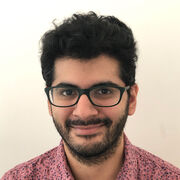
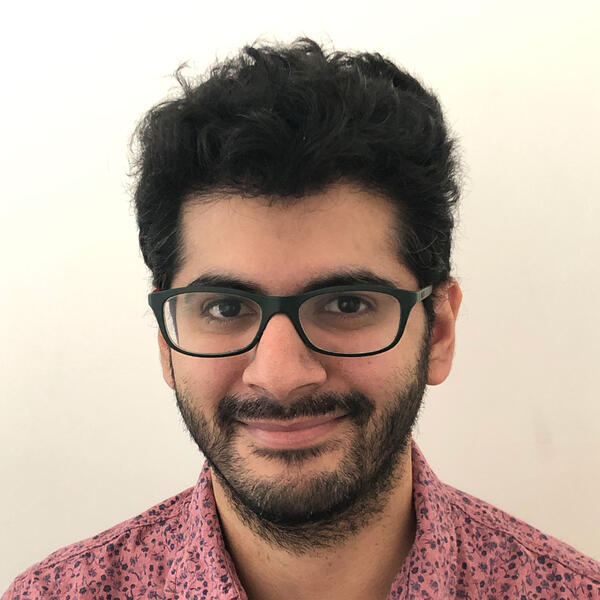
Taking control of the narrative: Dr Aneesh Barai on the Future of Diverse Children’s Literature
As the world celebrates International Children’s Book Day, the spotlight turns to the power of representation and the urgent need for diverse voices in the stories told to our youth.

Dr Aneesh Barai, a Lecturer in Education and Children’s Culture at the University of Sheffield, stands at the forefront of this movement by championing literature that centres children of the ‘global majority.’
For Dr Barai, children’s literature encompasses far more than simple bedtime stories. Quoting scholar Marah Gubar, Dr Barai describes the field as ‘capacious’, spanning everything from tactile board books for infants to complex, 800 page Young Adult (YA) novels exploring Shakespeare and sexuality.
Their research focuses specifically on contemporary British YA and Middle Grade (MG) fiction authored by people of the global majority. "Children's voices, and especially the voices of marginalised children, are crucial for speaking back to cultural, media, and political narratives," Dr Barai notes.
A cornerstone of Dr Barai’s recent work is a high-profile collaboration with Visiting Professor Karen Sands-O’Connor, a world-leading expert on Black British children’s literature. Together, they are establishing the Every Voice Every Story (EVES) collection, which they are planning to house at The Wave.
The archive serves as a treasure trove of radical history and includes:
- Original manuscripts and gifts from legendary authors such as Beverley Naidoo.
- Historical representations of Black lives, which contrast colonialist perspectives with authentic Black authorship.
- The Letterbox Library Contribution: A massive donation from the radical bookseller consisting of one copy of every book they have ever sold, all of which centre on inclusion and diversity.
International Children's Book Day 2026
Celebrating diverse voices in children's literature
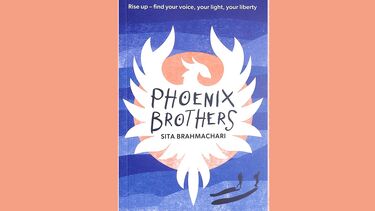
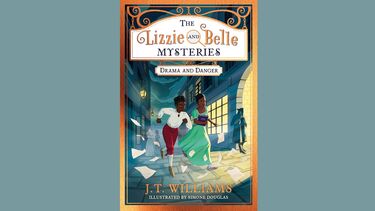
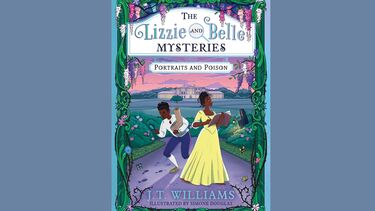
The push for diverse narratives arrives at a critical time. Dr Barai highlights a sobering reality for children in the UK today, noting that children are a marginalised sector of society subject to significant legal restrictions. Against a backdrop of anti-immigration politics and racism, Dr Barai argues that books like Sita Brahmachari’s Phoenix Brothers, developed through her work with children at the Islington Centre for Refugees and Migrants, are essential tools for children to reclaim their own narratives.
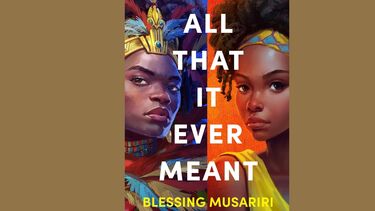
Dr Barai’s teaching also highlights the intersection of neurodiversity and global identities. He points to Blessing Musariri’s All That It Ever Meant, which features Mati, a neurodivergent Zimbabwean girl. In the novel, Mati’s storytelling serves as a journey of self-discovery, “A story changed with each telling. Even a story about yourself... it’s the kind of stuff that can really give you flack and start to tell you that you’re not who you think you are.”
By centring first-person narrators who are reflective about the craft of storytelling, these authors are asking a fundamental question: Who controls the narrative?
On this International Children’s Book Day, Dr Barai’s work serves as a reminder that when children of the global majority take control of their stories, they are not merely writing books, they are challenging the status quo.
Dr Aneesh Barai, Professor Karen Sands-O’Connor, author and columnist Dr Darren Chetty and award-winning author Sita Brahmachari, discuss their creative and critical writing about diverse youths in literature:
Diversity Drop: What’s Happening in Young Adult Fiction Now? Listen to the Podcast