
Collaborative Production
Informed by post-capitalist theory, the studio explored an alternative model based on interdependency, social capital and local value.

The prevailing economic model of speculation and market-driven growth is unable to address the urgent global challenges of climate change and social inequality. How might we do things differently, and what kind of built environment might this generate? Informed by post-capitalist theory, the studio explored an alternative model based on interdependency, social capital and local value.
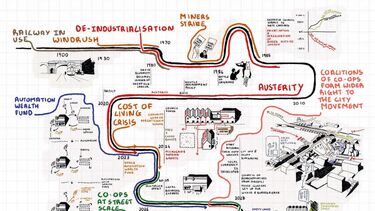
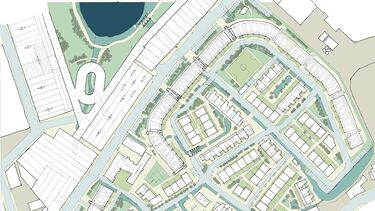
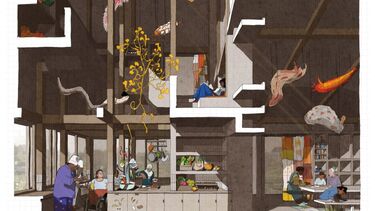
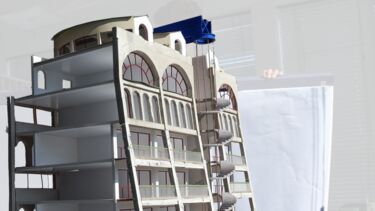
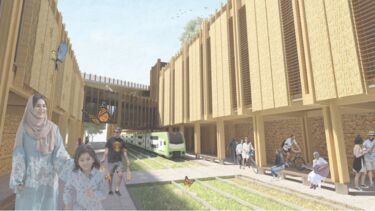
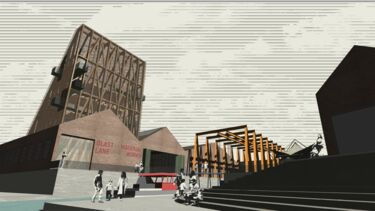
The studio’s focus has been the disused railway line which runs north to south through Sheffield. The project begun with a detailed investigation of the railway line and the areas connected by it, to understand its history, its present, and its possible future. The line sits within the city, but also outside it – passing above and below, creating edges and uncrossable divides. How might it be reimagined as a piece of social infrastructure, creating active networks of social production and exchange?
As former railway land, the line exists outside the normal conventions of the surrounding city. How might this enable the creation of a place of refuge and sanctuary for individuals and communities excluded from modern society? The studio has explored economic and land ownership models more able to address current challenges, welcoming all who seek a more progressive and sustainable lifestyle.
The notion of collaborative production has extended to the working methodology of the studio, with students sharing resources, ideas and approaches. Based on your initial findings we developed a collective strategy, allowing projects to interface spatially and functionally and economically.
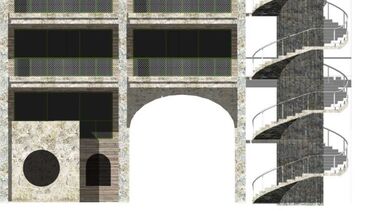
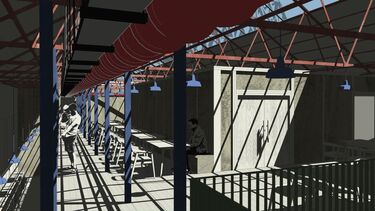
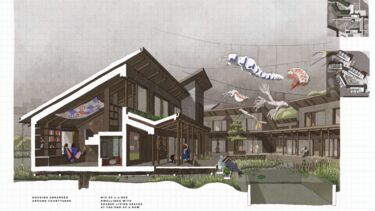
The line has become a testbed for new ideas, and the prototyping of innovations in community ownership, building construction, and food and energy production, creating an architecture which enriches people’s lives, is socially inclusive and is protective of the environment.
Studio tutor


Related information

Postgraduate online open day
Find out more about becoming part of our community of talented postgraduate taught students. Register now to join us on Wednesday 25 November.