
Diploma in Tropical Medicine and Hygiene Preparatory Course
The School of Medicine and Population Health, The Faculty of Health.
Lead Academic: Dr Paul Collini.

Course description
The course aims to equip medically qualified clinicians to work in tropical countries and to better understand tropical infections presenting in the UK. Students will gain essential skills and competence in clinical tropical medicine, the epidemiology of tropical diseases and their control, diagnostic laboratory skills in low technology settings, and travel hygiene.
The course is designed for medical doctors in full-time work. We use a mix of online webinars, and face-to-face and self-directed learning to ensure the syllabus is covered with flexibility.
At present the course is open to doctors based in the UK or South Africa only.
Webinar-based and face-to-face teaching
The core of the course involves seminars from 6pm - 8.30pm every Tuesday evening from Tuesday 1 September 2026 until May 2027. For the Public Health module, seminars will be on four Saturday mornings between October and March. The teaching seminars will be delivered as interactive webinars using the University of Sheffield Blackboard Collaborate system. These webinars will also be recorded and available for review from 24 hours following the teaching.
For UK based students, three face-to-face teach-in days will take place in Sheffield during the course. These will be used to deliver practical teaching and training and be an opportunity for the class to get to know each other. The first, focused on Malaria will be near the beginning of the course on a Friday 11 September 2026, followed by a course dinner in the evening. The second and third will be two consecutive days of teaching on Thursday 14 and Friday 15 January 2027 for half the class, with the same sessions repeated on the Thursday 21 and Friday 22 January 2027 for the other half of the class.
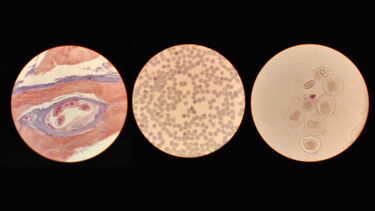
During the teaching days, you will receive practical training in the use of basic microscopy to diagnose tropical infection, in line with DTM&H exam requirements. This will teach you to prepare and read stool, urine, CSF and sputum slides, and perform diagnostic parasitology and etymology, including making and reading blood films for malaria.
Additional training
UK-based course attendees will also be able to join our clinical staff and observe at least one of the weekly STH Travel clinics at the Royal Hallamshire Hospital in Sheffield.
For South Africa based doctors, face to face teaching will take place at the 4 day Parasitology Laboratory Diagnosis course in the National Institute for Communicable Diseases in Johannesburg in January or February 2027.
We work closely with the University of Glasgow DTM&H preparatory course and MSF’s Global Health and Humanitarian Medicine course. Together we run fortnightly web-based interactive tropical medicine tutorials from October through to April. We also schedule extra, ad-hoc online seminars by researchers in the tropics, talking about their work.
A substantial number of hours of private learning will be required – you should timetable for at least as many hours as spent with webinars and face-to-face teaching. Each lecturer prepares reading material and exercises and makes their presentations available in advance of their taught seminar. Some material is designed to be covered in advance of the seminars, which will then be interactive and involve discussion based on this material. All these materials can be accessed via an online course folder, with individual folders for each seminar, as well as the timetable and syllabus.
What our students say
“I really enjoyed the course … it was great to hear from such a range of lecturers all with interesting experiences and meet the other candidates from such a variety of specialties, regions etc."
“The course worked very well with my acute medicine training so I recommend it to others who may be interested.”
“Really enjoyed it, great overview of Trop Med, plenty relevant to my specialty of obstetrics”
“I want to personally thank you for all your hard work and with the organisation and teaching on the DTM&H and all the admin staff and tutors that gave us their time to teach… I would highly recommend the Sheffield course to anyone.”
“The whole course was so well run, the lecturers throughout were brilliant and really enthusiastic”
“I loved it. I have learned so much. I really loved the parasitology component at NICD in SA. I found the group pleasant and helpful, and the coordinators were also very helpful always. I loved the range of experts who taught us.”
Feedback
It is important to us that this course delivers for all classes. We invite all classes to complete anonymous, web-based feedback forms following each teaching session. These are reviewed in real time by the course organisers so that we can respond quickly to any problems.
The Faculty of Health
Our lecturers are senior academics and physicians from the disciplines of infectious diseases, microbiology, virology, child health, obstetrics and gynaecology and public health across Sheffield and South Yorkshire. Some teaching is delivered by invited external speakers from fields ranging from tropical ophthalmology to water and sanitation and non-communicable diseases.
All faculty members will make email addresses available and are more than happy to discuss your learning with you.
Exams and assessment
The DTM&H exam takes place in May or June 2027. This exam is sat and invigilated as an online exam.
The syllabus, fee, and administration (including registration) is run by the Worshipful Society of Apothecaries. The syllabus breaks down as 60% Clinical Tropical Medicine, 25% Public Health and 15% Non-communicable diseases. Maternal and Child Health are included within these.
Learn more about the syllabus and exams
In 2026 the DTM&H exam fee was set at £570. This fee is additional to the Sheffield DTM&H preparatory course fee and is payable directly to the WSA at the time of exam application, which is open from December to March 2027.
Exam format
| Best-of-five’ multiple choice paper with 100 questions (3 hrs.) |
|
| Parasitology/entomology short notes (1.5 hrs.) |
|
| Preventative Medicine & International Public Health Short Structured Question paper 5 questions (1 hr.) |
|
Entry requirements
- Primary medical degree
- Based in the United Kingdom or the Republic of South Africa.
2026-27 course fees
For UK-based applicants, the course fee will be £1,900
For applicants based in South Africa, the course fee will be £1,230.
The fee includes all course teaching, learning materials, access to the course document folder, seminar recordings, and refreshments during face-to-face teaching and course dinners. It does not include the WSA exam fees.
Payment is taken at registration for the course. There is a ‘cooling-off period’ until the end of September when you can choose to withdraw from the course and receive a 90% refund.
How to apply
2026-27
UK-based places for the upcoming course are now full.
There are still places available for applicants based in South Africa. Email sheffielddtmandh@sheffield.ac.uk for the link to apply.
2027-28
Prospective applicants should register their interest using this form or by contacting the course administrator via sheffielddtmandh@sheffield.ac.uk and and confirm they are eligible as UK or South African based doctors.
In late April all applicants will be contacted with details of how to register and pay for the course using the University of Sheffield online store which will open at the start of June. Full payment for the course fee is taken at registration and confirms a place.
It should be noted that places are allocated on a first come first served basis; the course has many more applicants than there are places so availability very rapidly runs out on the first day. There is a ‘cooling-off period’ until the end of September when you can choose to withdraw from the course and receive a 90% refund.
The Sheffield course is currently only open to applicants based in the UK or South Africa. Glasgow's DTM&H and MSF's Global Health and Humanitarian Medicine course do have options for applicants from other countries.
Attendance
An attendance register is taken at every session.
This course is designed for busy doctors in full-time jobs with on-call rotas and recognises that it is difficult to achieve full attendance. However, it will be challenging to pass the exams without attending the majority of sessions and undertaking substantial private learning.
There is a requirement that at least 12 hours of microscopy training (in person in Sheffield or in Johannesburg) is completed for you to be eligible to sit the WSA DTM&H exam. A letter from the course stating evidence of attending the course, specifically evidence that the microscopy training has been completed will be provided for you.
Course committee
Course administrator
Director
Deputy Director
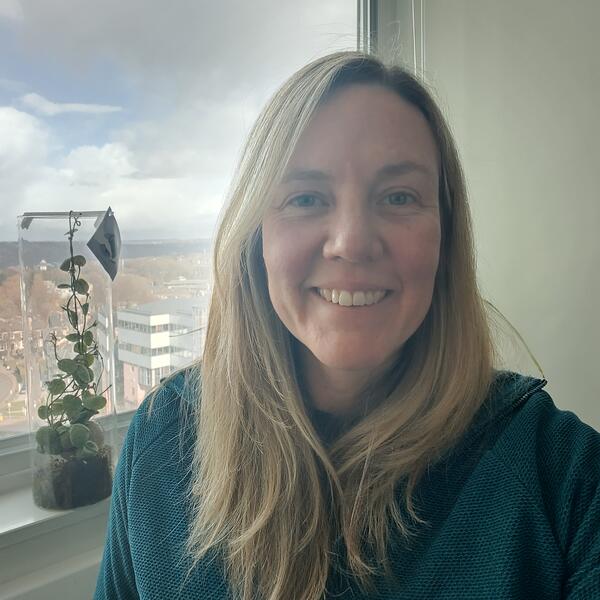
Committee members
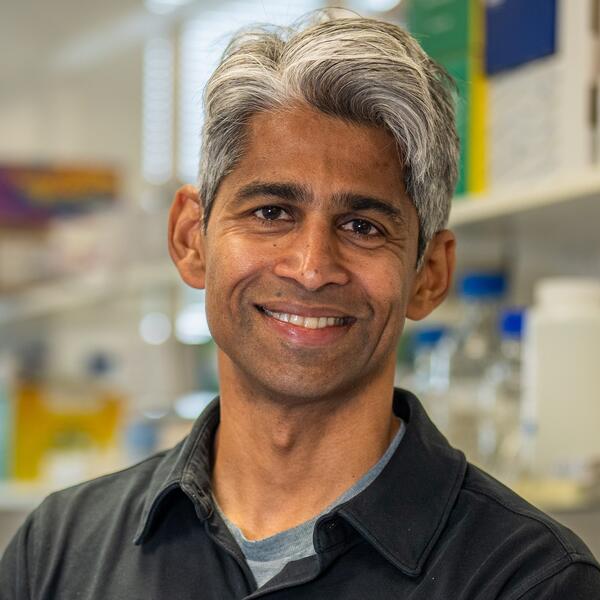
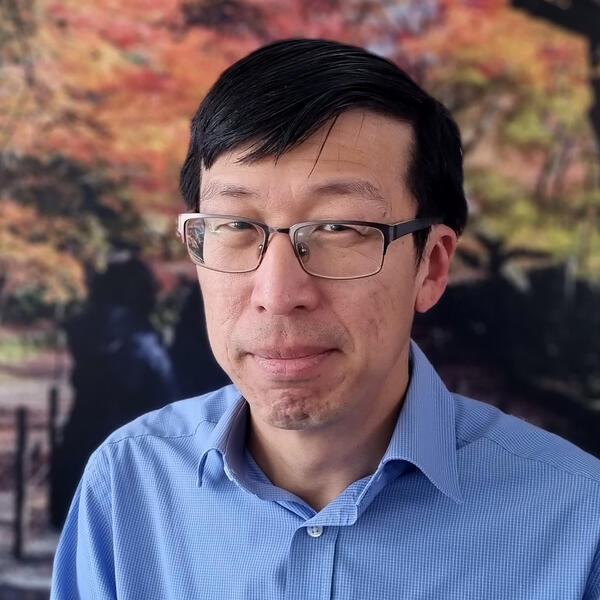
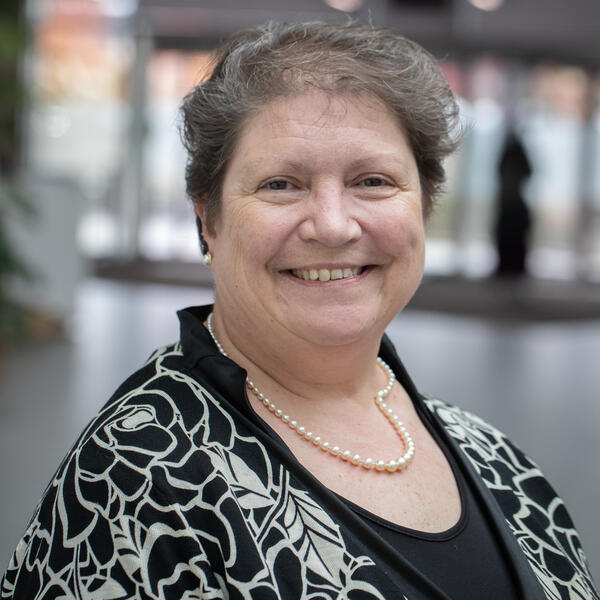
External committe members
Professor Stephen Green, Consultant Physician in Infectious Diseases - Altnagelvin Hospital, Derry/Londonderry, Western Trust, Northern Ireland
Dr Jeremy Nel, Infectious Diseases Specialist, Helen Joseph Hospital & Wits University, Johannesburg, ZA
Contact us
For further information about the course, contact sheffielddtmandh@sheffield.ac.uk

Postgraduate online open day
Find out more about becoming part of our community of talented postgraduate taught students. Register now to join us on Wednesday 25 November.