
Facilities
Our partnership with, and proximity to, Sheffield Teaching Hospitals NHS Foundation Trust and the University of Sheffield’s cutting-edge neuroscience facilities ensure that our dedicated researchers have access to the highest quality scientific technologies.

Across our three integral research pillars, we have a range of outstanding specialist facilities that enable us to connect with partners in industry and other world-leading institutes.
Our revolutionary scientific facilities are run by experts who carry out large-scale research projects and aid collaboration across the Neuroscience Institute.
Translational neuroscience
Our computational biologists develop mathematical models which assimilate data from clinical studies and biological experiments.
The Drug Discovery laboratory has state-of-the-art equipment which allows optimised storage of our test drugs and compounds in a fully automated system using dry nitrogen. High-throughput liquid dispensing systems allow large scale screening experiments to be conducted rapidly.
MultiOmics is is a specialised genomics hub offering advanced technologies for high-resolution biological research, ranging from single-cell analysis to long-read sequencing. By combining 10x Genomics microfluidics, Oxford Nanopore’s real-time sequencing, and Nanostring’s amplification-free profiling, the lab supports a wide array of multi-omic and gene expression projects. To ensure data integrity, the facility provides end-to-end support including rigorous sample quality control and integrated bioinformatics expertise.
The Neuropathology lab provides critical insights into neurological diseases by offering comprehensive tissue preparation and staining services. Utilising a full suite of histology equipment and the Sheffield Brain Tissue Bank - a repository of over 800 donated brains - researchers can perform advanced techniques like laser capture microdissection to isolate specific cells for molecular analysis.
NIHR Clinical Research Facility
The National Institute for Health Research (NIHR) Sheffield Clinical Research Facility (CRF) recruits patients into clinical trials which provide evidence for making decisions which result in more efficient ways of providing healthcare and improvements to how we treat patients.
NIHR Sheffield Biomedical Research Facility
The NIHR Sheffield Biomedical Research Centre (BRC) is a research partnership between the Sheffield Teaching Hospitals NHS Foundation Trust and the University of Sheffield, dedicated to improving treatments for people with long-term health conditions.
The centre focuses on translating scientific discoveries into clinical practice across four primary research themes including, Neuroscience, Imaging and Engineering. By bridging the gap between laboratory research and patient care, the BRC aims to develop new diagnostics and therapies while prioritising patient involvement and the training of future researchers.
RNA and Molecular Biology laboratory
The RNA Biology Laboratory was established to carry out a broad variety of biochemistry and molecular biology techniques ranging from the genetic engineering of cell models, the isolation of macromolecular complexes and RNA, the purification of recombinant proteins, the characterisation of biological interactions to the use of radiolabeled proteins and nucleic acids.
The biOMICS Mass Spectrometry facility
The biOMICS facility provides a full infrastructure for mass spectrometry-based analysis of simple and complex mixtures of proteins, peptides and metabolites, including their identification, characterisation and quantification.
Gene Therapy Innovation and Manufacturing Centre (GTMIC)
The GTIMC comprises a team of over 20 experienced technical experts based at our purpose built good manufacturing practice (GMP) facility at the University of Sheffield. The centre builds on the University of Sheffield's internationally renowned world-Class research in neurodegeneration and genetic therapy to dramatically broaden the scope of genetic therapy research in the UK. We bring together academic institutions, NHS Trusts, non-profit and industry partners to translate scientific discoveries in adeno-associated virus (AAV) based gene therapies into new and exciting treatments for patients, faster.
Human neuroimaging
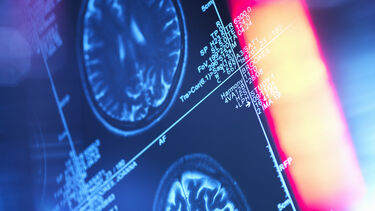
We undertake neuroimaging research in well‑characterised patient cohorts, alongside a strong track record of local, national and international collaboration. Our work spans a wide range of areas, including neurodegenerative diseases, epilepsy, cognitive neuroscience and psychiatric conditions.
Our human brain imaging facilities are expanding and currently include:
- 1.5T MR scanners
- FIREFLY-Neonatal 3T Brain Imaging Scanner
- PET-MRI facility
- 3T Phillips Ingenia MR Scanner
- POLARIS
- EEG systems
Pre-clinical imaging
In Sheffield we're developing technologies that allow us to image the same subject across a range of spatial scales and time. This means we can assess normal function and disease, and capture better quality data from fewer subjects.
- Pre-clinical MRI Facility
- Wolfson Light Microscopy
- Cryo-Electron Microscopy | Cryo-Electron Microscopy | The University of Sheffield
Cellular imaging
We have dedicated facilities for light microscopy and electron microscopy. These are complemented by the University’s ambitious Imagine project which provides state-of-the-art techniques in imaging from molecular structures to whole organisms. Our researchers also have access to the Wolfson Light Microscopy Facility which includes confocal, widefield imaging, super resolution and light sheet fluorescence microscopy.
- Cryo-Electron Microscopy | Cryo-Electron Microscopy | The University of Sheffield
- Wolfson Light Microscopy Facility (includes confocal and multiphoton microscopy and optical imaging laboratories)
Sensory and developmental neuroscience
The Bateson Centre
The Bateson Centre is a vibrant partnership between basic and clinician scientists at the University of Sheffield, and is the world’s first centre for life course biology. Our scientists study mechanisms of change throughout life, including growth, remodelling, degeneration and repair with obvious importance in maintaining health and treating disease.
Centre for Stem Cell Biology
The centre is focused on developing the basic biology and technology underpinning the use of stem cells for applications in medicine. Our researchers carry out fundamental and applied research on the biology of pluripotent stem cells with the aim to develop cell therapies for regenerative medicine.
Cognitive neuroscience and mental health
The Active Touch Laboratory uses methods in animal behaviour, neuroethology, human psychophysics, computational modelling and robotics to investigate tactile sensing in animals, people and intelligent machines.
Adaptive Behaviour Research Group
The Adaptive Behaviour Research Group aims to form an understanding of animal and human behaviour by studying computer models of neural circuits and the behaviour patterns of robots using these models. The group are multidisciplinary, drawing on ideas from computational neuroscience, adaptive behaviour, neuroscience, ethology, evolutionary biology, connectionism and robotics.
The Institute for in silico Medicine at the University of Sheffield is Europe’s largest research institute dedicated entirely to the development, validation, and use of in silico medicine technologies. INSIGNEO’s mission is to perform cutting edge research in areas of fundamental and applied biomedical modelling, imaging and informatics, implementing the scientific ambition behind the Virtual Physiological Human and transforming healthcare.
Research Software Engineering Facility
The Research Software Engineering (RSE) group is a service available to the Neuroscience Institute which aims to help improve research software. It can provide dedicated staff to ensure the delivery of excellent research software engineering on research projects. Supporting the entire University, the RSE group has collaborators in every faculty and have supported researchers in a range of subject areas. Importantly for the Neuroscience Institute, we offer expertise code optimisation and performance, reproducibility and embedding good software engineering practice with projects or teams, graphics processing unit computing and deep learning, statistical analysis and data visualisation, high performance computing for local/national/international/cloud systems, general software development, development of impact case studies, consultancy, training and education delivery and support. The group can provide dedicated research software engineering support for research grants or engage with researchers through our free community activities such as code clinics and training.
Sheffield Robotics has one of the largest portfolios of ongoing publicly-funded robotics research in the UK, supported by both the UK Research Councils and the European Union. The centre is also building research partnerships with leading industrial, commercial, and government organisations in order to ensure real-world relevance and impact.
We also have a number of specialist laboratories and facilities, including:
- Electrophysiology laboratories
- Motion capture laboratories
- Neurophysiology and Human Psychophysiology laboratories
- Optical imaging laboratories
- Transcranial Direct Current and Transcranial Magnetic Stimulation facilities