
Transforming indoor air quality
Dr Ciara Higham is dedicated to improving the air we breathe indoors, researching how it affects our health and what we can do to fix it.

The research challenge
As part of Air Hub, the challenge is to advance our understanding of indoor PM2.5 from recognising its harmful health effects to an improved, scientifically backed understanding of its exact chemical and biological composition and toxicological mechanisms so that engineers can design targeted solutions to reduce it.
The top results
- Understanding the composition of particulate matter indoors
- Co-designing indoor air quality research
- Monitoring indoor air quality parameters in social housing
Behind the scenes
Particulate matter is considered one of the most harmful types of air pollution and is associated with serious health issues such as cardiovascular disease, respiratory illness and strokes. The fine particles that Ciara studies, known as PM2.5 (particles less than 2.5 microns in diameter), pose a particularly significant risk as they are small enough to penetrate deep into the lungs when inhaled and can subsequently enter the bloodstream. Culprits of PM2.5 indoors include cooking (frying/searing in the kitchen), combustion (burning candles, incense, wood in fire places) and smoking or vaping.
Ciara is part of the research team behind Air Hub - a network aiming to understand what is in PM2.5, what it is made of, exactly how it damages the human body, and how to engineer buildings to stop it.
Air Hub was established to bridge the gap between our knowledge of outdoor particulate matter and the lesser understood complexity of indoor air quality. By using co-design methods to incorporate real-life experiences and views to the work, Ciara and her team work directly with groups most affected by poor indoor air quality to bridge the gap between research and real-life impact.
Including lived experiences in this work is important to make sure the research reflects real life and can lead to solutions that are practical, relevant, and accessible for everyone.
Who benefits from this work?
Vulnerable members of society, upon whom the burden of poor indoor air quality falls unequally, including those living in deprived areas where social determinants (such as housing size, overcrowding, and poor-quality building materials) can lead to significantly worse health outcomes. It also directly benefits those whose health is more sensitive to poor air quality, including children, the elderly, and individuals with respiratory conditions or weakened immune systems.
Beyond residents, the work benefits policymakers, local authorities and the wider UK healthcare system by providing the evidence needed to understand and reduce the substantial disease burden attributable to indoor air quality.
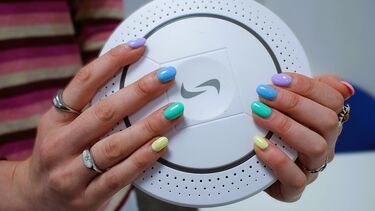
Research by Dr Ciara Higham
Understanding indoor air quality
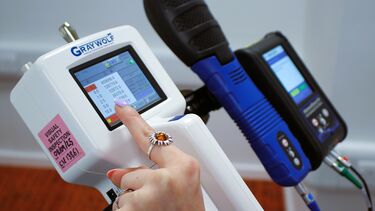
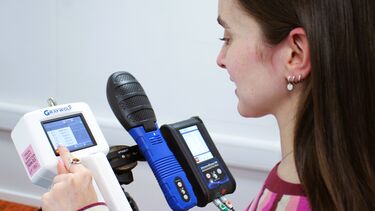
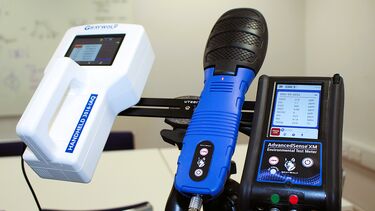
In Ciara’s words
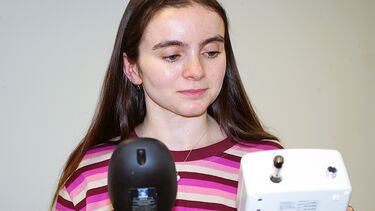
The health impacts of poor air quality aren’t felt equally, often affecting those who already face the biggest challenges in life. People can be exposed to pollutants in their own home without realising it. They might notice breathing problems from certain activities such as cooking, or they might spot damp and mould in their homes, without recognising the link to air quality or understand what they can do to improve it. We spend 80-90% of our time indoors, so focusing on indoor air, the composition of PM2.5, its effects on health, and how exposure can be reduced, can provide a clearer understanding of the risks people face in their daily lives.
Dr Ciara Higham
Research Associate
Ciara is a Research Associate in Healthy Indoor Environments and is involved with Air Hub
Learn more about Ciara and her work and also connect with her on LinkedIn.