
A gene therapy world-first
For children with SPG47, time is everything. Thanks to donor support for specialist research, a pioneering gene therapy treatment is moving from the lab to the clinic, offering families hope where none existed before.

SPG47 is an extremely rare genetic condition that progressively damages a child’s nervous system. Thanks to your support, groundbreaking research is moving from the lab to the clinic, and will reach young patients for the first time.
From the loss of mobility to significant developmental delays, the impact of SPG47 is profound. A progressive condition, it causes cumulative damage to the nervous system, meaning symptoms worsen as a child grows. At its root is a single faulty gene: a genetic glitch that researchers here at the University of Sheffield are on the verge of fixing.
The search for a treatment
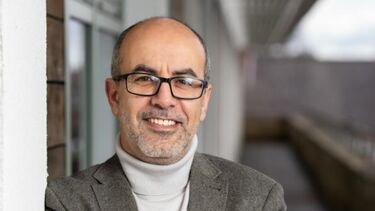
When their daughter Robbie was diagnosed with SPG47, Chris and Kasey Edwards from the United States, were determined to find answers. Historically, SPG47 has been a condition without a cure, leaving families to manage symptoms as they worsen. Undeterred, their search for a treatment led them to Professor Mimoun Azzouz, the globally-renowned Director of Sheffield’s Gene Therapy Innovation and Manufacturing Centre (GTIMC).
Rather than simply managing the condition’s effects, Professor Azzouz and his team have pioneered a therapy that aims to fix the root cause. This precision gene therapy works by patching the faulty code within the brain’s neurons. And it offers the first real hope of slowing, or even halting, progression before further damage occurs.
Clinical trials given green light
Now, the US Food and Drug Administration (FDA) has given the green light for clinical trials to begin. This is the moment science finally crosses the threshold from lab to clinic, and means the therapy can begin reaching the children who have been waiting for it.
It's the turning point families have spent years hoping for, yet for Chris and Kasey, the milestone is bittersweet. They're acutely aware that while this therapy represents a historic breakthrough, it may arrive too late to reverse the symptoms their daughter now lives with. Despite this, their focus remains on what is still possible: improving Robbie's quality of life and ensuring that, in the future, other parents don't have to face this journey without a clear path to a treatment.
Support from alumni and friends, has brought us to this clinical milestone. By donating to the research and funding the GTIMC, you've not only ensured that Sheffield remains at the global forefront of genetic medicine — you've given the gift of hope to families facing this devastating diagnosis.