Science, Technology, and Medicine in Society (STeMiS)
Science, technology and medicine are pervasive parts of contemporary society. The STeMiS theme is interested in how knowledge is made, how technologies are developed, how these come to be employed in different settings and with what implications for social relations.

About our work
Academics working in this area are a vibrant and diverse group of researchers drawing on a number of sociological perspectives, but all share a common interest in the relationship between society and science, technology and/or medicine.
Some examples of questions we are currently grappling with:
- How does the claim that Alzheimer’s-related dementias can be caused by traumatic brain injuries challenge understandings of the classification, cause, and diagnosis of neurodegenerative disease?
- In an era of ecological collapse, what empirical and conceptual frameworks do we need to reimagine our relationship with nonhuman beings?
- What does self-monitoring mean for the people who undertake it and what are the implications of self-monitoring practices for the wider provision of healthcare?
- How do ideas of race circulate in various biomedical contexts?
- How is an increasing emphasis on the development of ‘orphan drugs’ shaping pharmaceutical innovation?
Our major research areas include:
- Digital Societies
- Sociology of Health and Illness
- Science and Technology Studies
Our activities
Reading groups
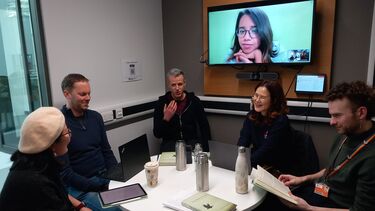
Alongside a roster of activities across the year, members of STeMiS run reading groups that take place at regular intervals during semesters:
Contemporary STS
We run a Contemporary Science and Technology Studies (STS) reading group, where colleagues read recent books and papers. Sessions are hybrid and we have a small breakout room for folks who would like to come in person.
Previous works we’ve read include Aniket Aga, Genetically Modified Democracy; Ruha Benjamin, Imagination; Cara New Daggett, The Birth of Energy; Kregg Hetherington, The Government of Beans; Robin Wall Kimmerer, The Serviceberry; Max Liboiron, Pollution is Colonialism; Annemarie Mol, Eating in Theory; Michelle Murphy, The Economization of Life; Bettina Stoetzer, Ruderal City; Banu Subramaniam, Botany of Empire.
Please email Greg Hollin to be added to the mailing list for this group, and to receive invites to the hybrid meetings.
Sociology of Health and Illness
Each month, a different member of the reading group picks a research paper, situated within the sociology of health and illness, for the group to discuss.
Colleagues can contact Julia Swallow to receive invites to the group, and can also suggest articles and book chapters for future weeks.
Teaching
Members of STeMiS also contribute to a number of modules taught across the School of Sociological Studies, Politics and International Relations. Examples of research-led modules currently being organized by STeMiS members include: “In sickness and in health: the sociology of medicine (second year UG); Digital Health (third year UG); and What it means to be human (third year UG)
STeMiS is also home to a lively community of PhD students undertaking a range of projects related to science, medicine, and the digital in society. Examples of ongoing research projects include:
- Jake Allcock: Understanding global sustainability communication on YouTube
- Merrisa Brown: Contextualising and transforming support for minoritised blood cancer patients in the UK
- Kate Montague-Hellen: Watch and Worry? How are the support needs of people living with newly diagnosed chronic haematological malignancies being addressed?
- Pragya Roy: Caste-based health marginalisation in India: A qualitative exploration of Dalit women’s maternal health in India.
- Thomas Wright: Algorithmic resistance
See more events from STeMiS and across the school.
Get involved with our work
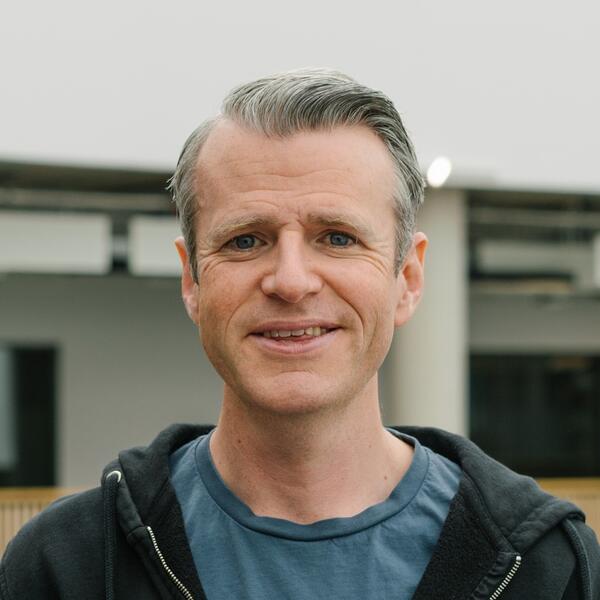
The Science, Technology, and Medicine in Society cluster is led by Greg Hollin. If you wish to join the cluster, or you work in a related field and wish to collaborate, please get in touch with g.hollin@sheffield.ac.uk.