Robotics and Autonomous Systems
We carry out world leading research in robotics and autonomous systems at the intersection of robotics, control, embodied intelligence and machine learning.

We carry out world-leading research in robotics and autonomous systems at the intersection of robotics, control, embodied intelligence, and machine learning.
We create intelligent bodies and mechanisms by using novel materials and manufacturing techniques and intelligent sensing and control algorithms to deal with dynamic environments and human-centric systems.
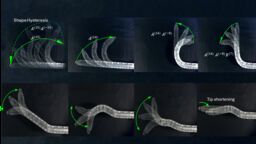
The collective competence of this group and our extensive network of collaborators covers most essential RAS topics: design of resilient autonomous robots, self-assembling robotic systems and swarms, human-machine interaction through intelligent algorithms and physical interfaces, machine vision, medical robotics including surgical and assistive robots, active body implants, soft and micro robots.
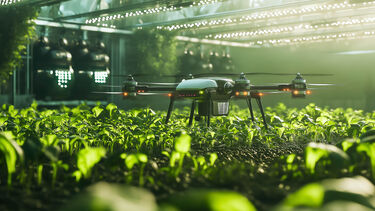
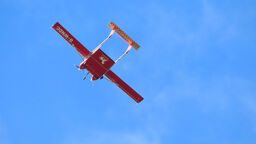
Our world-leading facilities support our research topics and include autonomous and collaborative manufacturing systems, robotic and motion tracking equipment, swarm and UAV arenas, and equipment for soft matter fabrication. Our research environment has a strong industrial focus and delivers impact through strategic partnerships with world-class engineering companies and via industrial research institutes such as Insigneo and the AMRC. We also work closely with Sheffield Teaching Hospitals and provide consultancy to SMEs.
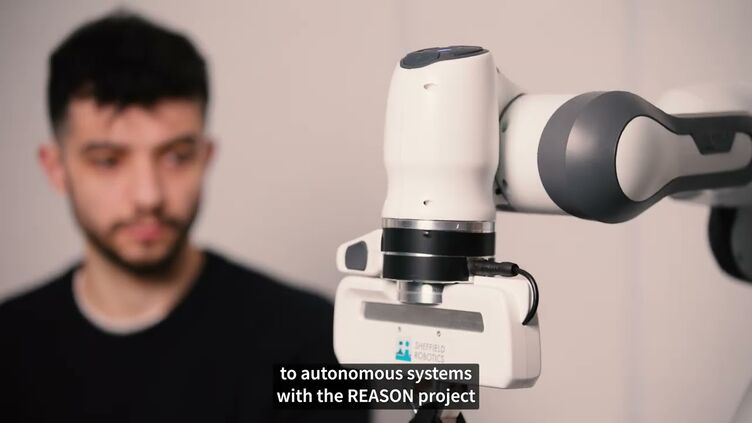
Academics and researchers at the School of Electrical and Electronic Engineering and the School of Computer Science here at the University of Sheffield have been involved in the Trustworthy Autonomous Systems (TAS) Node in Resilience (REASON) funded by the UKRI between 2020 and 2024 and supported by over 30 project partners. Led by Professor Sanja Dogramadzi, alongside Professor Lyudmila Mihaylova and Dr James Law (from the School of Computer Science), we developed robotic assistive dressing (RAD) solutions to combine autonomous robotic manipulation with intelligent machine vision, haptic feedback, digital twin prototypes, natural language processing, and generative AI methods to improve user safety and well-being.
This physical robot assistive task can only deliver benefits by operating resiliently—and in alignment with human values—in their highly dynamic deployment environments. To support this, the Node has devised new theory and mathematically based notations, models, and methods for the development of socio-technically resilient autonomous systems. The Node’s interdisciplinary research on uncertainty quantification and disruption mitigation, social identity impact on autonomous system trustworthiness, integration of robotics and AI methods, and human-autonomous agent teaming has advanced the science and practice of resilient autonomous systems.
The team investigated three key aspects of resilience in the context of robotic assistive dressing: human pose tracking in the presence of occlusions and/or user changing pose due to environmental or personal disruptions; safety through methods that include multimodal feedback to mitigate hazards; and use of safety bounding boxes and digital twins to ensure collision-free and trustworthy dressing assistance. The project was in in collaboration with the University of York, Lancaster University, Open University, Southampton University, and end-user partners.
The video presents some of the main achievements in this project.
Facilities
- Robot platforms: UR10s and UR5s, Franka Emika, Kilobots, Nao robots, Force Dimension haptic systems, UAVs and ground mobile robots (see the full list here: Sheffield Robotics Robot Foundry)
- 2 Vicon labs, flying arena, human-robot collaboration lab
- Soft robotics laboratory with - soft-matter fabrication, microfluidic devices, biomechanical and chemical stimulation.
- Range of industrial robots at the AMRC including ABB, Kuka, Staubli, Fanuc and more.
Our group is part of the wider RAS network and facilities including: