
Dr
Emily
Lunn
BA (Hons), PhD
School of Allied Health Professions, Pharmacy, Nursing and Midwifery
Postdoctoral Research Associate

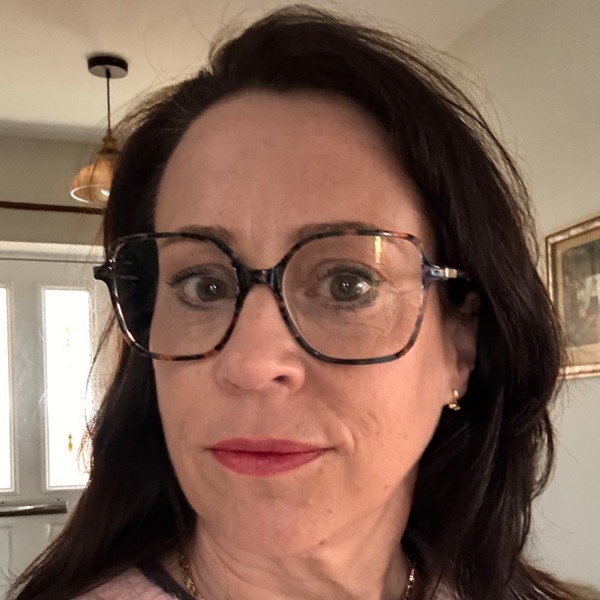
- Profile
-
Dr Emily Lunn is a Postdoctoral Research Associate at the University of Sheffield, with a background in medical sociology and applied qualitative research. Her work explores inequalities in health and social care, particularly among marginalised communities.
Her PhD in Medical Sciences at Hull York Medical School explored intersectional inequalities in NHS breast screening participation. She currently works across the Universities of Sheffield and York, researching sexual rights in older adult care homes and cancer inequalities among Gypsy, Roma and Traveller communities.
Community collaboration, reciprocity and meaningful involvement are central to her approach to research. She has extensive experience in PPIE, community engagement and knowledge exchange, working with VCFSE organisations, NHS services, ICBs, Cancer Alliances and Public Health teams. A particular strength of her work is engaging with people, building relationships and creating accessible research outputs, including co-developing the award-winning Snakes & Ladders to Attending Breast Screening game.
An experienced public speaker, facilitator and cancer advocate, Emily has delivered programmes for Breast Cancer Now, presented to healthcare professionals and featured in television and radio interviews for Yorkshire Cancer Research, drawing on both her lived experience of cancer and academic expertise to raise public awareness of cancer inequalities and the importance of accessible healthcare.
- Qualifications
-
BA (Hons) Sociology and Social Policy, Department of Sociological Studies, University of Sheffield
PhD in Medical Sciences, Hull York Medical School, University of Hull
- Research interests
-
Emily's research interests focus on the wider determinants of health and how intersecting social inequalities shape people's experiences of health and social care. She is particularly interested in inclusion health and how inequalities influence access to services, experiences of care and health outcomes.
Her interests span inequalities across the cancer pathway, from screening and early diagnosis to treatment and survivorship, as well as the relationship between formal health and social care services and informal care provided by families and communities. She is particularly interested in how these different forms of care interact and influence people's access to services, experiences of care and wellbeing.
Her methodological interests include participatory action research, co-production and community-based approaches, particularly involving communities in shaping research and developing and evaluating interventions to address inequalities in health and social care.