
Sheffield scientists elected as Fellows of the Royal Society
Two world-leading researchers from the University of Sheffield have been elected to the Fellowship of the Royal Society, the UK’s national academy of sciences.

- Professor Simon Foster, a molecular microbiologist, and Professor Walter Marcotti, a neuroscientist, join a cohort of over 90 outstanding researchers from across the world recognised this year for their pioneering contributions to science.
- The Fellows and Foreign Members join the ranks of Stephen Hawking, Isaac Newton, Charles Darwin, Albert Einstein, Lise Meitner, Subrahmanyan Chandrasekhar and Dorothy Hodgkin.
- The news comes as the University's School of Biosciences also is ranked number 1 in the UK (45 globally) for Plant Science and Agronomy in Research.com latest rankings.
Professor Simon Foster, a molecular microbiologist, and Professor Walter Marcotti, a neuroscientist, join a cohort of over 90 outstanding researchers from across the world recognised this year for their pioneering contributions to science.
Among this year's newly elected Fellows are a molecular microbiologist whose research has revealed new pathways in antibiotic resistance, and a neuroscientist decoding the mechanisms of hearing function to groundbreaking gene therapies to prevent lifelong hearing decline. The global cohort also includes a palaeontologist who has named more dinosaur species than any other living person, and a physicist who established quantum technology as a research focus at Toshiba.
Professor Simon Foster, specialising in molecular microbiology at the University of Sheffield, researches bacterial ultrastructure and its dynamics during growth and division, coupled with the killing mechanism of antibiotics. His group has identified a new pathway that underpins antibiotic resistance in MRSA, revealing an alternative bacterial cell division mode. Professor Foster also investigates how the pathogen Staphylococcus aureus causes disease, providing new avenues for treatment and vaccine development.
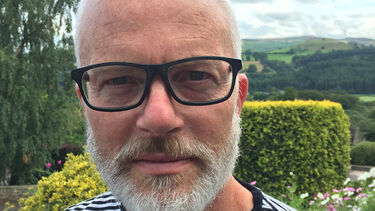
I am truly delighted and honoured to have been elected as a Fellow of the Royal Society. It is based on all of the hard work of my excellent research group over the years. I would also like to thank all the fantastic collaborators we have had in Sheffield and around the world. The University of Sheffield has had a great reputation as a centre for microbiology over many years and I am proud to have been part of it."
Professor Simon Foster
School of Biosciences
Professor Walter Marcotti is a world-leading neuroscientist specialising in the molecular, cellular, and physiological mechanisms underpinning the development and function of the auditory system. His research focuses extensively on how specialised sensory hair cells within the mammalian cochlea transduce sound into electrical signals, with a particular emphasis on understanding the genetic factors that drive hearing loss.
Utilising groundbreaking in vivo imaging technologies, Professor Marcotti’s laboratory is significantly advancing our understanding of how the development of the auditory system is regulated. His team is also employing novel AAV-mediated gene therapies designed to protect, slow, or prevent the progression of hearing decline, ultimately laying the foundation to move beyond traditional hearing aids toward lifelong hearing protection.
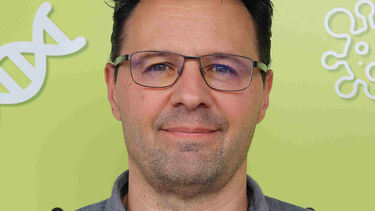
Being elected as a Fellow of the Royal Society is an immense honour, and a testament to the dedication of the incredibly talented students, postdocs, and colleagues I have had the pleasure of working with over the years. This milestone also reflects the world-class research environment at the University of Sheffield's Neuroscience Institute. I look forward to continuing our work to uncover the mechanisms underpinning hearing function and dysfunction, and to translating those insights into real-world therapies."
Professor Walter Marcotti
School of Biosciences
Sir Paul Nurse, President of the Royal Society, added:
“I am delighted to welcome this newest group of exceptional scientists to the Fellowship of the Royal Society.
“Their contributions reflect the highest standards of scientific endeavour. Whether advancing our understanding of vaccines or exploring the transformative potential of mathematics and computation, their work exemplifies the enduring value of curiosity, creativity and rigorous inquiry.
“Our Fellowship is strengthened not only by individual distinction, but by the diversity of perspectives and experiences its members bring. This incoming cohort highlights the truly international character of contemporary science and underscores the vital role that plays in achieving breakthroughs that benefit us all.”
The Fellows and Foreign Members join the ranks of Stephen Hawking, Isaac Newton, Charles Darwin, Albert Einstein, Lise Meitner, Subrahmanyan Chandrasekhar and Dorothy Hodgkin.
- 26% of this year’s intake of Fellows, Foreign Members and Honorary Fellows are women.
- The new Fellows have been elected from 20 institutions across the UK, including the University of Sheffield, the University of Lancaster, and the University of Southampton.
- They have also been elected from countries across the world, including Kenya, Japan, and Mexico.
The full list of the newly elected Fellows of the Royal Society can be found here
The School of Biosciences also is ranked number 1 in the UK (45 globally) for Plant Science and Agronomy in Research.com latest rankings. To rank the top universities, Research.com looks at how often research papers by plant and crop scientists are cited by other experts, using a specific formula to make sure only relevant, high-quality agricultural science is counted.