Three University of Sheffield researchers named as UK’s top future innovators
Three academics from the University of Sheffield have been named as some of the UK’s top future innovators - people whose research is changing lives and developing future-shaping technologies - in a new list published by Universities UK.

- Three academics from the University of Sheffield have been selected for a new list showcasing some of the UK’s top future innovators whose research is supporting long-term growth and developing the technologies of the future
- Professor Heidi Christensen, Professor Zoltan Kis and Professor Mohamed Pourkashanian have been recognised for leading research to spot signs of dementia earlier, speed up vaccine production, and accelerate the development of sustainable aviation fuel
- The 50 Future Innovators list from Universities UK celebrates the people behind research that is changing lives
Three academics from the University of Sheffield have been named as some of the UK’s top future innovators - people whose research is changing lives and developing future-shaping technologies - in a new list published by Universities UK.
The list celebrates 50 researchers, founders and artists whose innovative work is creating real impact - whether economic, social, or both. They were chosen from more than 300 nominations by an independent panel of expert judges, including Baroness Martha Lane Fox, Dr Darren Henley CBE and Professor Dame Ottoline Leyser.
The initiative is part of Universities UK’s campaign - Future Universities - to highlight the vital role universities play in creating opportunities, sparking innovation and supporting long-term growth across the UK.
The three academics chosen from Sheffield are all leading research that has made breakthroughs in digital technology for healthcare, manufacturing and low-carbon fuels.
Professor Heidi Christensen
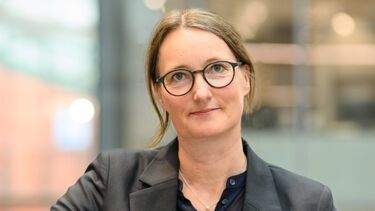
Professor Heidi Christensen is Head of the School of Computer Science at the University of Sheffield, where she leads the technical development of CognoSpeak. Built on a decade of Sheffield research and developed with NHS partners, CognoSpeak has progressed over the past five years from a research prototype to a technology now being evaluated in NHS clinical settings.
CognoSpeak uses a virtual AI agent to talk with patients and analyse their voice and language for early signs of dementia, stroke-related decline and cognitive changes in motor neurone disease. With NHS memory assessment waits of up to 151 days, patients can instead complete a 15-minute screening at home on a laptop, giving families earlier access to treatment and support.
On being selected for the list, Professor Christensen said: I’m delighted to be recognised as one of Universities UK’s 50 Future Innovators. CognoSpeak is the result of a truly interdisciplinary collaboration, bringing together researchers in computer science, healthcare professionals, patients and their families. This recognition is a wonderful acknowledgement of the contributions of everyone involved.
“My interest in this area continues to be the potential to use advances in AI and speech technology to make a real difference to people affected by cognitive decline, particularly dementia. Dementia has such a profound impact, not just on individuals but on their families too, and the possibility of helping people get answers, support and treatment earlier is what continues to motivate our work.”
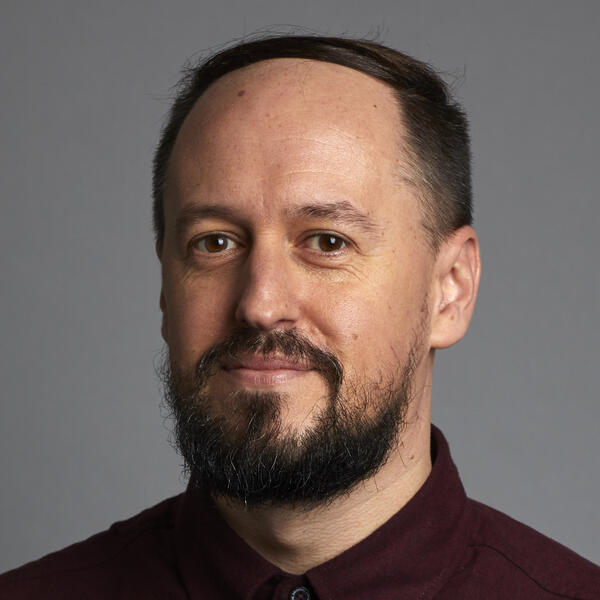
Professor Zoltan Kis
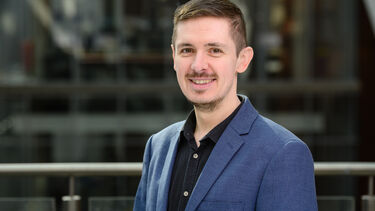
Professor Zoltan Kis is Professor of Bioprocess Engineering at the University of Sheffield, where he leads RNAbox, an automated "process-in-a-box" platform for making RNA vaccines. It emerged in late 2023 with Innovate UK funding and is now supported by a £3.7 million CEPI award.
Most mRNA vaccines are made in large batches in a few expensive facilities, mainly in wealthy countries. RNAbox runs continuously, producing seven to ten times more mRNA, and is small enough for vaccines to be made locally. That could give communities in low- and middle-income countries faster, fairer access to vaccines, and help the world respond within 100 days to a new pandemic.
Professor Kis’ work has been backed by major awards from CEPI and Innovate UK, and he is a Principal Investigator on a Wellcome Leap programme.
Reacting to the news of being selected for the list, Professor Kis said: “I am delighted and honoured to be named one of Universities UK’s 50 Future Innovators, a recognition I share with the whole RNAbox team at the University of Sheffield, our funders and our partners.
“The RNAbox was inspired by the transformative potential of mRNA technology, both for vaccines that prevent infectious disease and for therapeutics that treat a wide range of diseases, including cancer. I hope the RNAbox will make these medicines faster to produce, more affordable and available closer to the patients who need them.”
Professor Mohamed Pourkashanian OBE
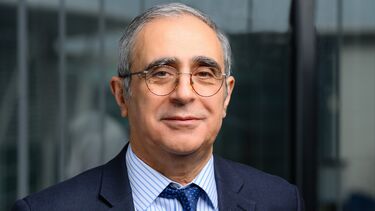
Professor Mohamed Pourkashanian is Head of the Energy Innovation Centre at the University of Sheffield. Working with Virgin Atlantic, Boeing and Rolls-Royce, he played a leading role in Flight 100 in November 2023, the first transatlantic commercial flight powered entirely by sustainable aviation fuel. Sheffield's testing facilities were essential to certifying the fuel as safe.
Aviation produces around three per cent of global emissions and current rules cap sustainable fuel at a 50 per cent blend. Flight 100 proved that 100 per cent sustainable fuel works in existing engines without modification, a major step towards cutting aviation's emissions and creating skilled jobs in the UK.
He was appointed OBE in 2023 for services to net zero research and innovation.
On being selected for the Future Innovators list, Professor Pourkashanian, said: “I am honoured to be selected as a UK Future Innovator and would like to share this recognition with the team at the Energy Innovation Centre here at the University of Sheffield. The Flight100 project was a great example of academic, industrial and technical collaboration, which highlighted that flight using 100 per cent Sustainable Aviation Fuel (SAF) is a safe and realistic way we can expect to fly in the future.
“Aviation is vital to the UK and global economies, as well as a major part of people’s lives, enabling travel and helping people stay connected; there is an urgent need to decarbonise it. SAF is the most realistic way we can do this, but we are a long way off producing it in the volume needed to transition away from traditional jet fuel. My aim is for the work of the Energy Innovation Centre is to address this and help fuel producers and airlines in the UK and countries around the world meet their SAF mandates, and support the decarbonisation of aviation.”
Professor Sue Hartley, Vice-President for Research and Innovation at the University of Sheffield, added: “I’m incredibly proud to see three Sheffield academics be recognised as some of the UK’s leading innovators. They have already made some very impressive breakthroughs and look set to achieve even more as their work progresses over the next few years. They each represent the vision that we have for research and innovation at the University of Sheffield: working with our partners in communities and industry to address the major challenges of our time.”
Read the Future Innovators list.