The University of Sheffield NIHR School for Social Care Research (SSCR) recently hosted a vibrant Spring Celebration at Inox, bringing together our dedicated and multidisciplinary research community, both from the School and from the broader applied adult social care research research community at the University of Sheffield. Designed as a forum for both reflection and ambition, it was a vital hub for colleagues to showcase progress, exchange future plans, and celebrate the growing impact of applied adult social care research in Sheffield!
Innovation in Technology and Training
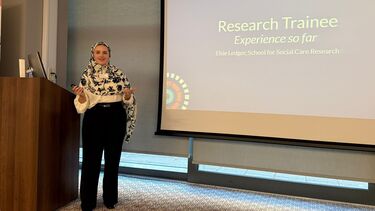
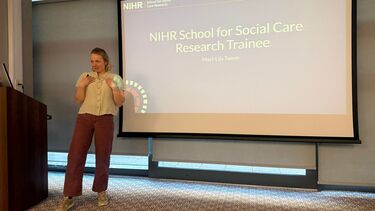
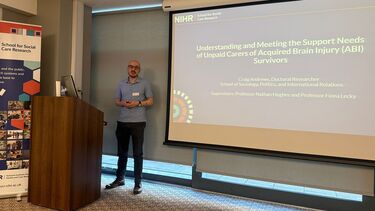
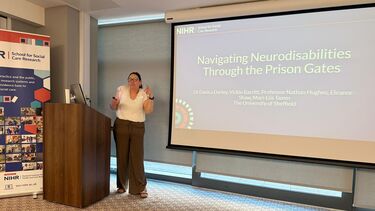
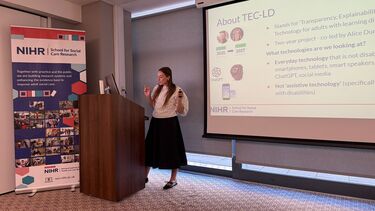
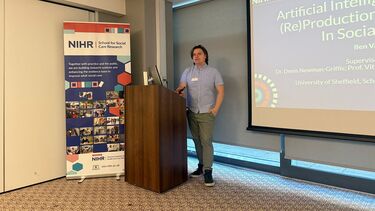
Following a networking lunch, the afternoon kicked off with a session led by Professor Katherine Runswick-Cole, who shared key updates on SSCR progress and opportunities. The first half of the program, "Technology, Transitions, and Training," highlighted the diversity of Sheffield’s research portfolio. Dr. Alice Dunning (School of Medicine and Population Health) discussed the role of digital technology for adults with learning disabilities, and Dr. Danica Darley (Sociological Studies, Politics and International Relations) explored the complex journey of navigating neurodisability through the prison system. Closing this section, we shone a spotlight on the future of the field with presentations from our SSCR Research Trainees Elsie Ledger and Mari-Liis Tamm, alongside PhD students Craig Andrews and Ben Vass, demonstrating the SSCR commitment to building research capacity.
Exploring the Human Experience
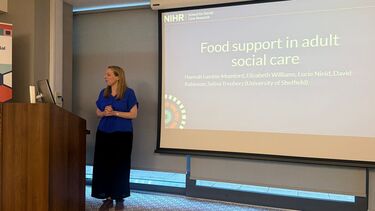
After a brief coffee break, the second session, "Food, Family, and Love," delved into the essential human elements of care. Professor Hannah Lambie-Mumford (Sociological Studies, Politics and International Relations) presented on the intersection of food and social care, while Dr. Martina Smith (Education) challenged the room to consider the ethics of researching love and learning disabilities.
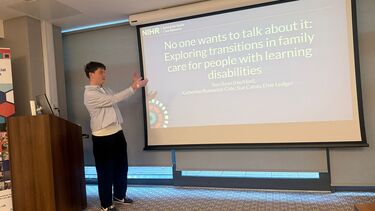
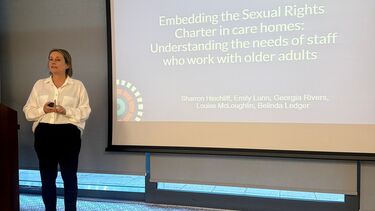
The program concluded with Professor Sharron Hinchliff (Nursing and Midwifery) discussing the Sexual Rights Charter in care homes and Dr. Tom Ryan (Education) exploring the often-overlooked transitions in family care for adults with learning disabilities.
A Community Connected
The sessions wrapped up with a lively Q&A and we discovered so many commonalities between our projects, including a commitment to co-production and the challenges of carrying out a rapid scoping review. There was also a shared commitment to removing the barriers to participation for underserved communities, particularly thinking about equitable access for people who do not use words to communicate.
The event was widely praised for its warm, inclusive, and collegial atmosphere, fostering a genuine sense of community among attendees from across the SSCR. Feedback highlighted the high quality and thought-inspiring nature of the presentations, with guests particularly valuing the opportunity to see a diverse range of speakers at various career stages, including research trainees. We are already looking forward to our next celebration!
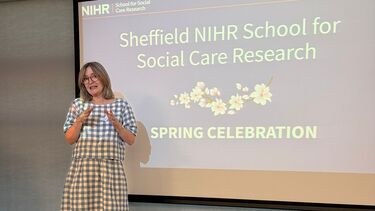
Spring Celebration presentations
View some of the photographs from the event